

Outcomes & Evidence
The evidence is clear and consistent: Clubhouse membership drives measurable and lasting improvements across every aspect of a person's life. Below is what decades of peer-reviewed research from six continents reveals.
Better Employment Outcomes
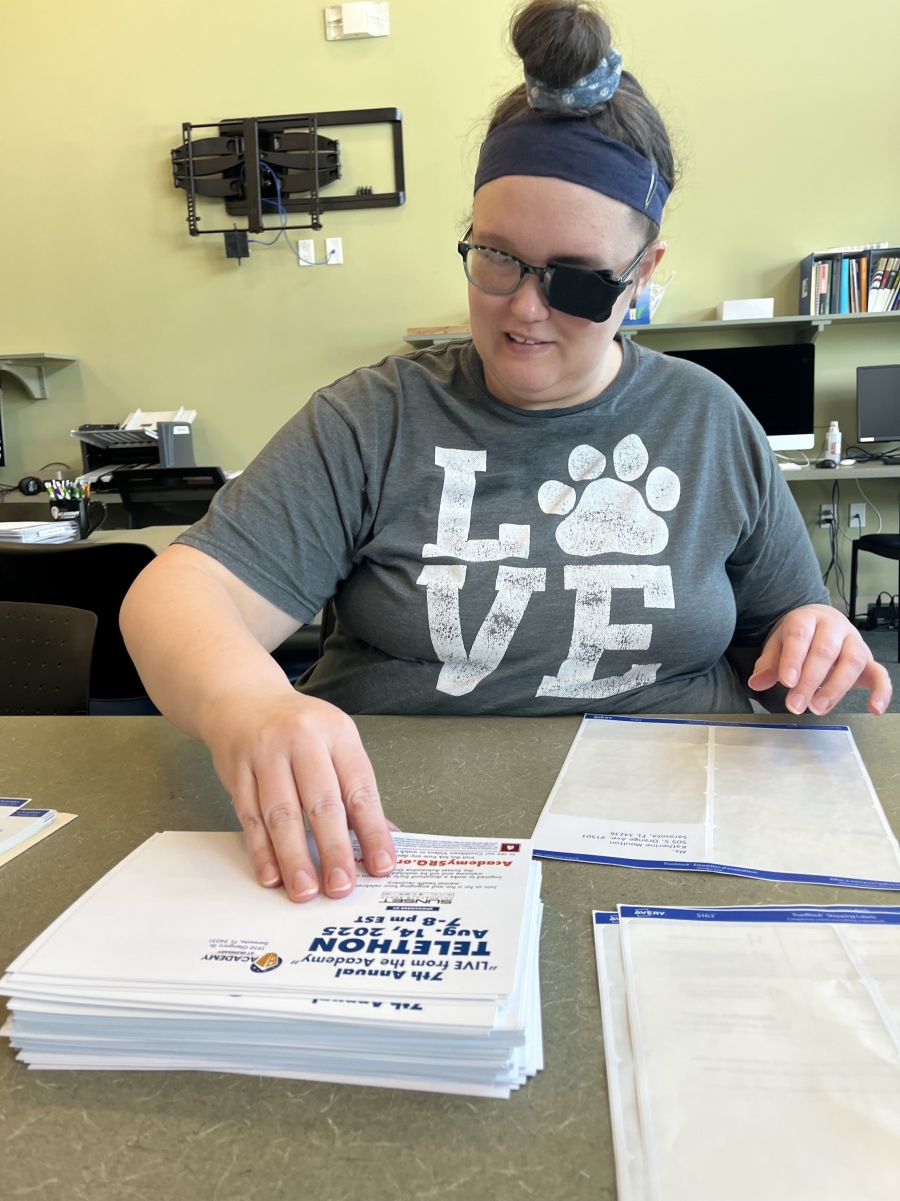
- Transitional Employment provides a structured bridge to the workforce, a paid job in a competitive workplace.
- The Clubhouse community serves as a safety net behind each member throughout their placement.
- Accredited Clubhouses report a 40% employment rate, nearly triple that of people in the public mental health system.
-
Studies have shown the Clubhouse Model results in longer job tenure (median of 199 vs. 98 days) and higher earnings (median of
$3,456 vs. $1,252) than other mental health programs.
Source Notes: Macias, Rodican & Hargreaves (2006); Schonebaum, Boyd & Dudek (2006); Macias, Kinney & Rodican (1995)
Hospitalizations Reduced Stays
Members experience significantly fewer psychiatric hospitalizations in
both frequency and duration:
- Clubhouse membership has been shown to cut the number of
hospitalizations by one-third and the average number of hospital
days per year by 70%. - Clubhouses provide ongoing social supports that enhance both
mental and physical health by reducing disconnectedness — a well-
documented risk factor for deteriorating health outcomes. - Members report improved confidence in managing their day-to-day
mental health, reducing reliance on crisis-level intervention
Source Note: De Masso, Avi-Itzak & Obler (2001); Leff et al. (2004)
-7.png?resize=630x400)

Criminal Justice Involvement Fewer Incarcerations
Clubhouse members are less likely to be arrested and imprisoned:
- Multiple studies demonstrate that criminal justice system
involvement is substantially diminished during and after Clubhouse
psychosocial program membership resulting in $20,000-$65,000 in
reduced costs per inmate per year. - Structured days, meaningful roles, and stable social connection
address the underlying conditions — isolation, purposelessness, and
instability — that contribute to justice involvement among people
with mental illness.
Source Note: Johnson & Hickey (1999)
Social Connection Greater Community & Health
Members are far more likely to report close friendships and someone to rely on, resulting in better physical and mental health:
- Compared with individuals receiving psychiatric services without
Clubhouse membership, Clubhouse members were significantly
more likely to report having close friendships and a person to rely on
in times of need. - The social supports like those Clubhouses offer enhance mental and
physical health by reducing disconnectedness. - Social connection at a Clubhouse is structural, not incidental. The
Work-Ordered Day means members and staff work side-by-side each
day — building trust through shared effort and genuine mutual
relianc
Source Notes: Leff, McPartland, Banks et al (2004); Warner, Huxley &
Berg (1999)


Cost of Care 1/3 the Cost
A full year of Clubhouse membership costs the same as two weeks in a psychiatric hospital:
- One year of holistic Clubhouse services costs the equivalent of a 2-week psychiatric hospital stay — making it one of the most cost-effective interventions in mental health.
- Estimated at one-third the cost of the Individual Placement and Support (IPS) model, approximately half the annual cost of Community Mental Health Centers, and substantially less than the Acceptance and Commitment Therapy or ACT Model .
Source Note: McKay, Yates & Johnsen (2007); Clark et al. (1998); Macias et al. (2001)
Quality Assurance Accredited Clubhouses Consistently Outperform Non-accredited Clubhouses
Accreditation is not a badge, it's a quality multiplier. Clubhouses meeting all 37 International Standards for Clubhouse Programs deliver the full, evidence-based Clubhouse experience with fidelity and consistency. Research confirms that accredited Clubhouses produce measurably stronger member outcomes than non-accredited Clubhouses in employment, reduced hospitalization, and social connection.
VOICES IN MENTAL HEALTH
We now have over a half of century of research, with more than fifty studies, demonstrating that Clubhouses reduce unemployment, reduce or delay rehospitalization, and improve health outcomes at a lower cost. This model is not only the origin of recovery, it could be the future where people, place and purpose become the foundation for mental healthcare.
Thomas Insel, MD, author of Healing: Our Path From Mental Illness To Mental Health (2022) and former Director National Institute for Mental Health (2002-2015)
See the Model in Action
Clubhouses are a powerful demonstration that people with mental illness can and do lead productive, fulfilling lives.